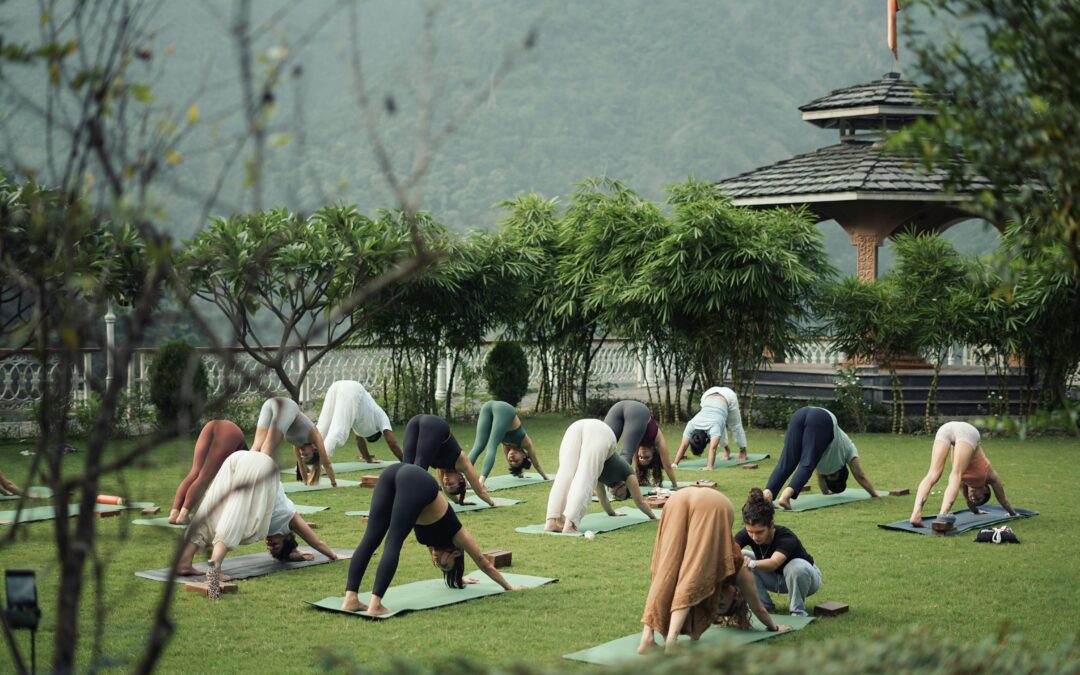
Modern life moves fast. Between endless notifications, work pressure, social expectations, and constant digital stimulation, many people feel mentally exhausted long before the day even ends. As burnout and anxiety continue to rise globally, wellness retreats are becoming one of the most effective ways to pause, recharge, and reconnect with inner balance.
Unlike traditional vacations that often leave people more tired than rested, wellness retreats focus on restoration from the inside out. Through mindfulness, meditation, breathwork, yoga, journaling, and intentional rest, these experiences create space for genuine mental and emotional recovery.
The growing popularity of mindfulness-based wellness practices is not accidental. Research and personal experiences continue to show that slowing down and becoming more present can improve emotional resilience, reduce stress, and support overall well-being. Practices such as meditation and breathwork are now widely recognized for helping calm the nervous system and improve focus, sleep quality, and emotional health.
One reason wellness retreats are resonating with so many people is accessibility. In the past, retreats often required expensive travel and long periods away from work or family. Today, online wellness retreats make these experiences available from home, allowing people to create meaningful routines without disrupting daily life.
Platforms like RetreatsMap help people discover wellness experiences that match their personal goals, whether they are looking for meditation retreats, yoga journeys, mindfulness workshops, or holistic healing programs.
At the same time, mindfulness-focused platforms such as peaceinside.me are helping users integrate wellness into everyday routines through guided meditations, journaling challenges, sound healing sessions, and online retreats designed for all experience levels. The platform emphasizes practical mindfulness and accessible emotional well-being rather than perfection or rigid routines.
One particularly valuable aspect of wellness retreats is intentional disconnection. Even short periods away from constant digital stimulation can help reduce mental overload and restore clarity. Many retreat participants report improved sleep, lower stress levels, increased self-awareness, and a stronger sense of emotional balance after consistent mindfulness practices.
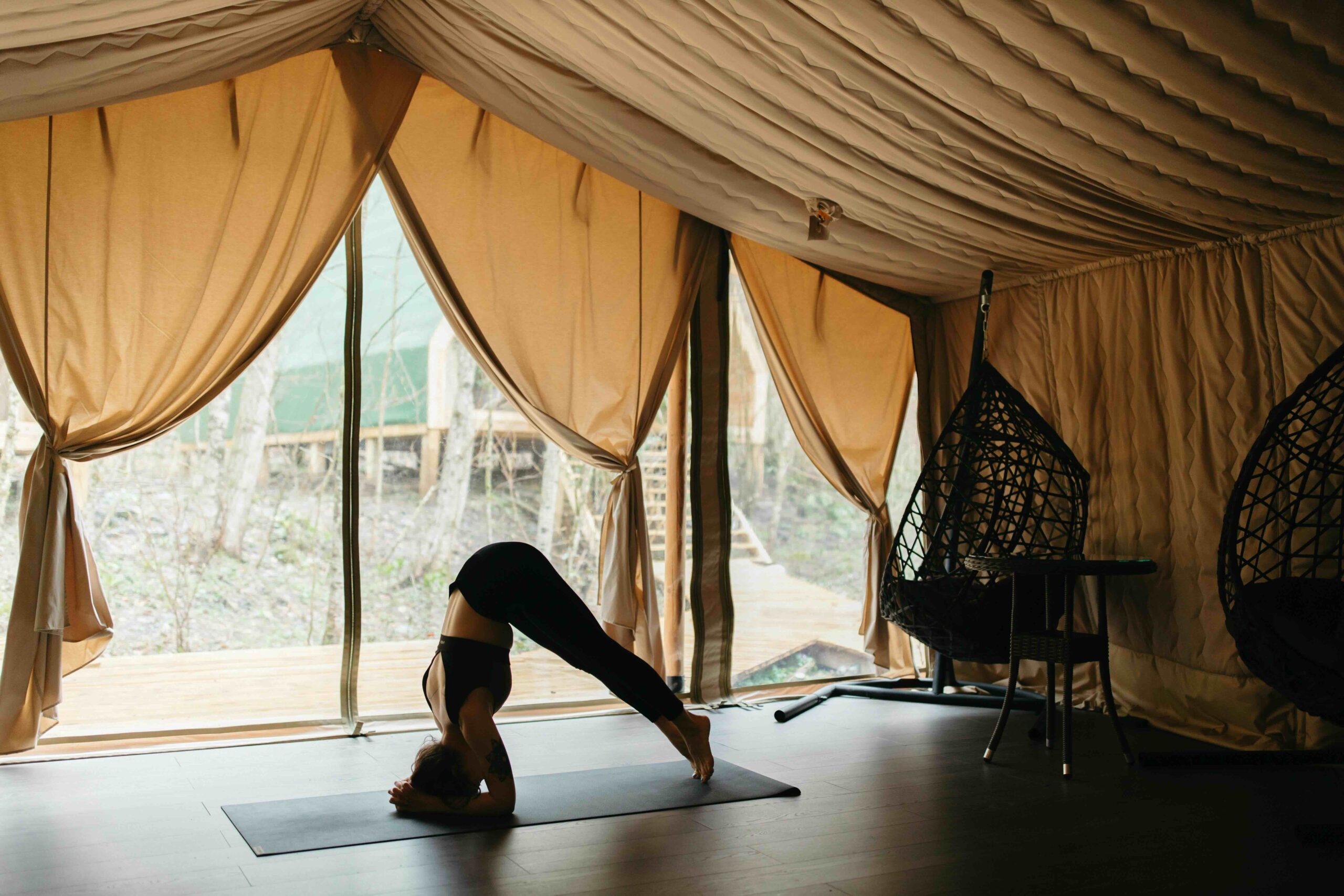
Sound healing, guided meditation, yoga nidra, and mindful journaling are among the most popular tools integrated into modern wellness retreats. These practices encourage participants to slow down and reconnect with themselves in a deeper, more sustainable way.
Importantly, wellness today is shifting away from perfectionism. People are no longer searching only for productivity hacks or quick fixes. Instead, many are prioritizing sustainable habits that support long-term emotional and physical well-being. This includes creating mindful routines, setting healthier boundaries, and dedicating intentional time for self-care and reflection.
Wellness retreats support this shift by creating structured environments where people can focus on healing, rest, and self-discovery without distractions. Whether experienced online or in person, these retreats encourage a slower pace that many people are missing in everyday life.
As awareness around mental health and mindfulness continues to grow, wellness retreats are likely to become even more integrated into modern lifestyles. They are no longer viewed as occasional luxuries, but as meaningful investments in emotional well-being, balance, and inner peace.
For many people, taking time to pause is no longer optional — it is essential.