Most modern travel these days follows the same type of pattern. People fly into a city, sprint between major attractions, grab a few photos for social media, and leave before they’ve actually experienced the place properly. They saw the landmarks, but sadly, they didn’t really see the country.
That’s why more travelers are starting to slow things down. Instead of treating travel like a checklist, they’re focusing on the spaces between destinations. The quiet villages, hidden diners, scenic backroads, and unexpected stops that never make the “Top 10 Things To Do” lists online. Ironically, slowing down often helps people explore more of the world in a much deeper way.
Open roads change how we explore
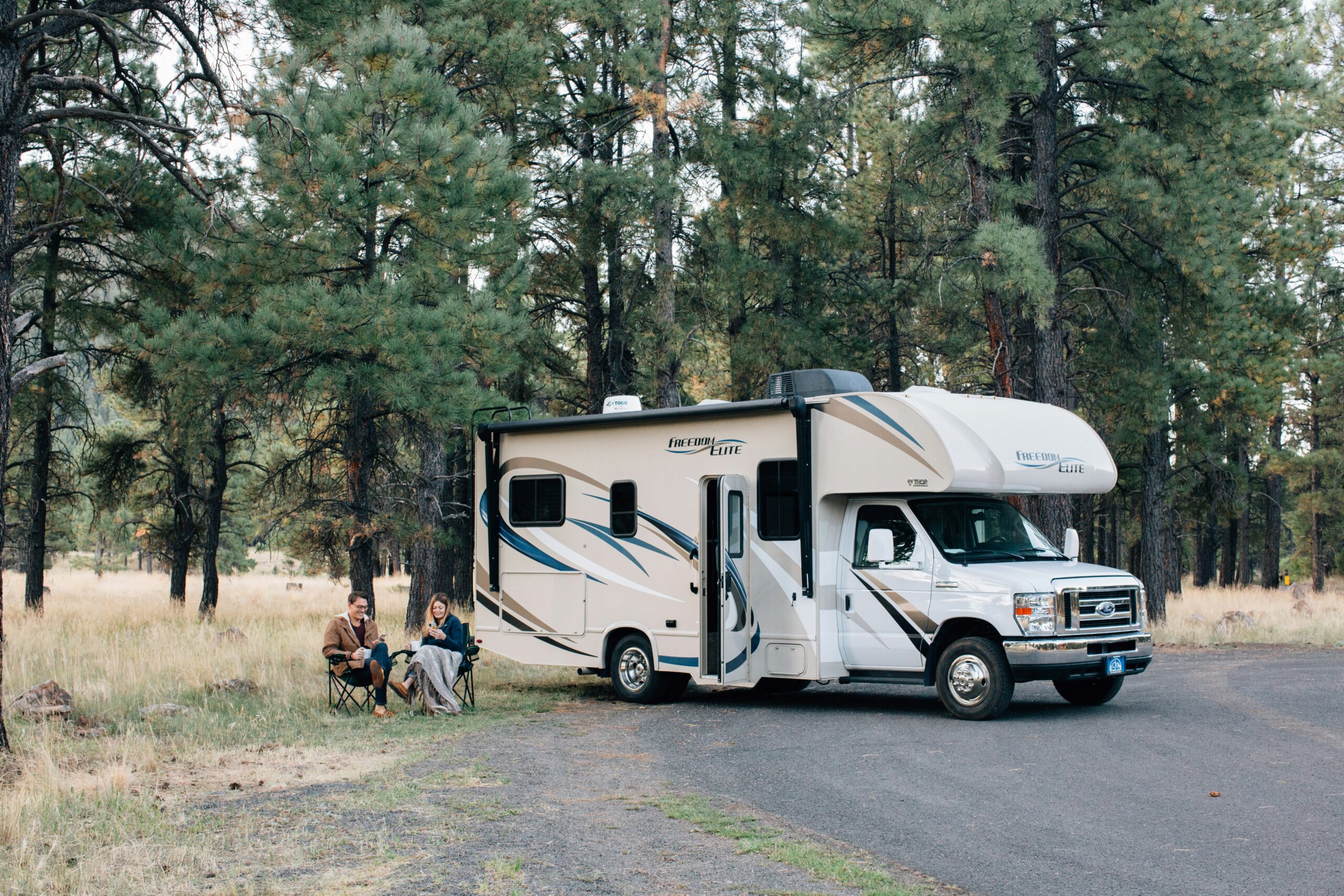
Road travel creates a completely different relationship with a place. You notice how landscapes gradually shift. Coastal towns blend into farmland. Mountain roads turn into forests. Tiny roadside cafes become memorable parts of the journey instead of quick fuel stops.
There’s less pressure too. No airport security lines. No dragging luggage through train stations. No constantly repacking for the next hotel checkout. The pace becomes calmer, which means people actually absorb where they are instead of simply passing through it. That slower rhythm matters more than many travelers expect.
Modern RV resorts are changing perceptions completely
A lot of people still assume road-tripping means roughing it.out, but that stereotype feels pretty outdated now. A modern RV resort often functions more like a comfortable lifestyle basecamp than a simple overnight parking area. Many now include pools, hot tubs, fitness spaces, cafes, walking trails, fast Wi-Fi, and social gathering areas that make extended stays feel surprisingly luxurious.
Instead of driving hundreds of miles every single day, travelers stay in one place longer and explore the surrounding region more thoroughly. The RV becomes a stable home base while nearby towns, beaches, hiking trails, vineyards, or cities become easy day trips. The scenery changes, but the comfort doesn’t.
The smartest travelers slow the pace intentionally
One of the easiest ways to make travel feel less exhausting is following a simple pacing structure. Many experienced road travelers use different variations of the 2-2-2 rule:
- Drive no more than 200 miles in a day.
- Arrive by 2 PM instead of late evening.
- Stay at least 2 nights at every stop.
It’s a simple idea that makes a huge difference. Suddenly, there’s time to settle in properly. Time to wander local streets without rushing. Time to discover places accidentally instead of moving constantly toward the next scheduled stop. That slower structure often creates the trips people remember most clearly later.
This mindset works almost anywhere
The beauty of slow travel is that it works across almost every type of destination. In Europe, travelers use campervans to explore coastal routes, mountain villages, and countryside regions that flights completely skip over. In North America and Australia, long highway systems allow people to cross massive landscapes gradually without feeling trapped inside airports every few days.
The philosophy stays the same everywhere. Move slower. Stay longer. Notice more. Because in the end, the best travel experiences usually aren’t the moments spent rushing toward the next destination. They’re the moments people never planned for at all.
Photo Credit: Source: Unsplash (CC0)