China has a wealth of landscapes. The country’s ancient past, breathtakingly beautiful natural wonders, and varied terrain are all part of its appeal. Thanks to modern transportation infrastructure connecting all of the major Chinese cities and travel areas, it is now easier for tourists to plan their trips and find the best places to visit. Beyond famous skylines, these five beautiful places offer memorable views, cultural depth, and a clear reason to explore further.
Zhangjiajie National Forest Park
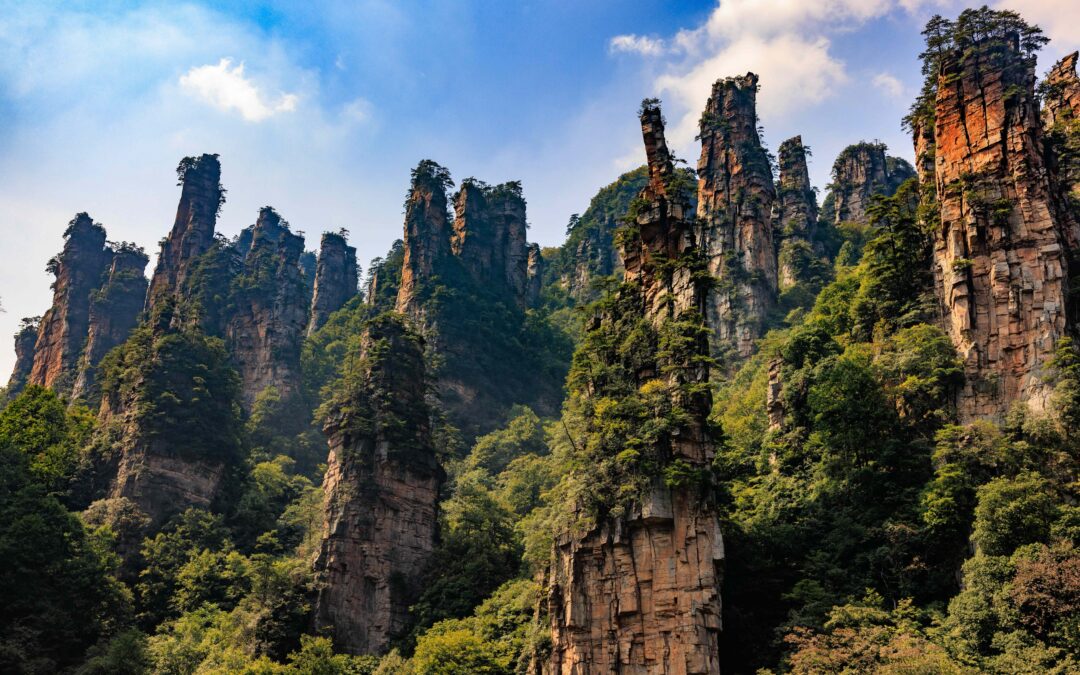
The dramatic rise of towering quartz sandstone pillars from mist-filled canyons within the province of Hunan has created one of the country’s most well-recognised natural landscapes. This landscape was also instrumental in providing inspiration for the floating mountains that are depicted as such in much contemporary cinema. Standing before them gives you an unforgettable sense of scale.
Practical travellers should base themselves in Wulingyuan for easier access to the park entrances. Arriving early will allow you to visit the majority of the main viewpoints before the crowds swarm in. The Bailong Elevator provides a quick ascent to the top of the cliff face, allowing visitors to spend additional time exploring the high altitude trails, stone pathways, deep ravines and dense forest areas. Two full days are ideal if you want to experience the park without rushing.
Yangshuo and the Li River
Yangshuo and the Li River are well-known for their peaceful karst scenery. Limestone mountain ridges and rolling hillside cover this area and form valleys that twist with meandering water. A great way to enjoy the scenery is on a boat ride down the Li River from Guilin to Yangshuo. A scenic boat ride gives you many classic views of hills surrounded by mist, riverside villages and dramatic rock formations.
Once in Yangshuo, hiring a bicycle is a relaxed way to explore the surrounding countryside. Staying in a riverside guesthouse outside the main town can also make the visit feel more peaceful. In the evening, the Impression Liu Sanjie performance offers a large outdoor show that uses the river and surrounding mountains as part of the stage.
Jiuzhaigou Valley
Located at the edge of the Tibetan Plateau in Sichuan Province, the Jiuzhaigou Valley has some of China’s most impressive mountain scenery with its multi-tiered waterfalls, lush forests and an exceptional variety of crystal-clear, multicoloured lakes. The colours of the lake waters range from turquoise through emerald green to a very dark blue, partly due to mineral-rich deposits and the valley’s unique natural conditions.
The park offers visitors two primary ways to tour the reserve: walking along designated trails or via shuttle buses connecting all of the major scenic areas of the reserve, helping protect the delicate environment. Wooden boardwalks then lead to viewpoints beside lakes, waterfalls, and quiet forest paths. In some lakes, fallen trees can be seen clearly beneath the transparent water, adding to the valley’s striking appearance. Autumn is especially beautiful when red and gold foliage reflects across the lakes.
Hangzhou and West Lake
For centuries, poets, painters, and scholars have praised the classical beauty of West Lake in Zhejiang province. The area blends pagodas, stone bridges, gardens, causeways, and calm water with the edge of a busy modern city. A traditional wooden boat ride offers one of the best views of the lake’s shoreline and historic scenery.
Beyond the lake, the Longjing tea plantations in the surrounding hills are worth visiting for a slower change of pace. Hangzhou is also easy to reach, with a fast high speed rail connection from Shanghai that can take under an hour on some services. This makes it one of the most accessible scenic escapes for travelers already visiting eastern China.
Yunnan Province and Tiger Leaping Gorge
Southwestern China holds an incredibly diverse mountain landscape, where snow-capped peaks, ancient towns, and deep river canyons sit within reach of one another. Tiger Leaping Gorge is one of the region’s most dramatic hiking areas, following the Jinsha River, the upper course of the Yangtze, far below towering cliffs.
Independent hikers often plan a two-day trek along the high trail, staying overnight in simple mountain guesthouses. After the hike, nearby Lijiang or Shangri-La offers a chance to experience Naxi and Tibetan-influenced architecture, food, and culture. Because parts of the region sit at high altitude, a gradual itinerary is sensible. Spending time in nearby towns before longer walks can make the journey more comfortable.
A Journey Worth Slowing Down For
China’s landscapes range from mist-shrouded sandstone mountains to tranquil riverside valleys, shimmering mountain lake surfaces, ancient garden views, and dramatic highlands.
By including some of these attractions on your itinerary, you will have a better understanding of what this beautiful country has to offer, and you’ll quickly realize it is much more than cutting-edge technology and the towering city skylines. These landscapes offer the kind of experience that stays with you long after the trip ends.
Photo Credit: – Via Pexels