Luxury wellness road trips combine the freedom of the open road with the restorative comforts of a thoughtfully planned retreat. Travelers can set their own pace, spend more time outdoors and choose accommodations that support genuine rest. This style of travel also reflects the wider wellness tourism market, which increasingly includes sleep, movement, nutrition and time in nature. A successful trip doesn’t require a packed schedule or an elaborate vehicle. It starts with a comfortable route, a few well-chosen stops and enough open space in the itinerary to slow down.
Shifting Toward Self-Paced Travel
A road trip gives you more control over your daily rhythm than a tightly scheduled tour. You can leave after a relaxed breakfast, stop at a scenic overlook or spend an extra afternoon beside the water without worrying about a departure board.
Keep daily drives to about three or four hours when possible. Longer stretches tend to consume the energy you hoped to restore. Choose one main activity per day, such as a gentle trail walk, a massage or an unhurried meal at a local restaurant. The growing focus on wellness travel experiences supports this slower format, where rest becomes part of the schedule instead of an afterthought.
Elevating the Outdoor Stay
Your accommodations shape how restorative the trip feels. Look for a clean, quiet place with comfortable beds, outdoor seating and easy access to natural surroundings. A remodeled cabin near a lake can offer the breathing room of an outdoor getaway while keeping practical comforts close at hand.
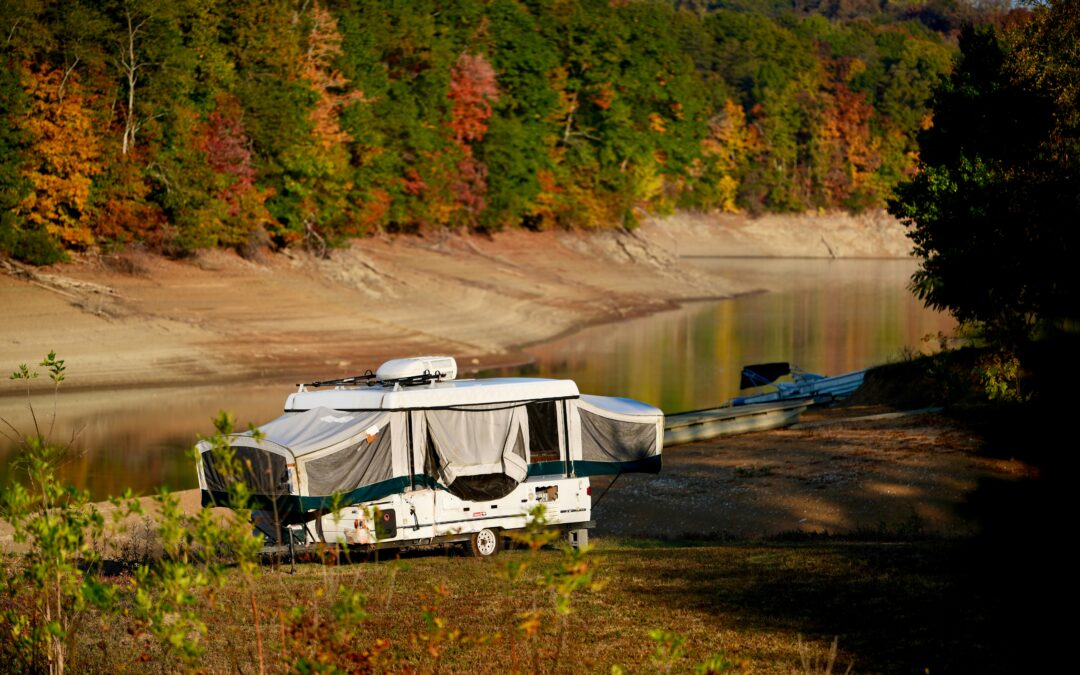
Travelers comparing cabins with lakeside RV camping should check the exact accommodation options before booking, along with kitchen facilities, bathroom access and proximity to the water. Pack a soft robe, supportive walking shoes and a small sleep kit with an eye mask and earplugs. These familiar items help create a calm evening routine after a day on the road.
Creating Mindful Itineraries
Build your itinerary around how you want to feel. If better sleep is the priority, avoid late arrivals and choose two-night stays so you aren’t packing every morning. For more movement, map short walks near your overnight stops and keep a yoga mat in the car. Food-focused travelers can identify farm stands or grocery stores before departure, making fresh meals easier to arrange.
Leave one block of two or three hours open each day. That space can absorb a slow lunch, changing weather or an unexpected viewpoint without creating stress. It also helps to plan a simple stay that feels restorative through small choices such as reduced screen time, calming music and an uncluttered bedside area.
Restoring Balance Through Scenic Living
Scenic living invites you to pay attention to ordinary routines again. Morning coffee on a porch, ten minutes of stretching near an open window and an evening walk by the lake can feel more restorative than a long list of scheduled treatments. Natural light also helps anchor your daily rhythm, so open the curtains soon after waking and spend part of the morning outside.
Keep phones out of reach during meals and choose one period each day for photos or messages. The rest of the time can belong to the setting. When you return home, carry one specific ritual with you, perhaps a screen-free breakfast or a short sunset walk. That small reminder may last longer than any souvenir.