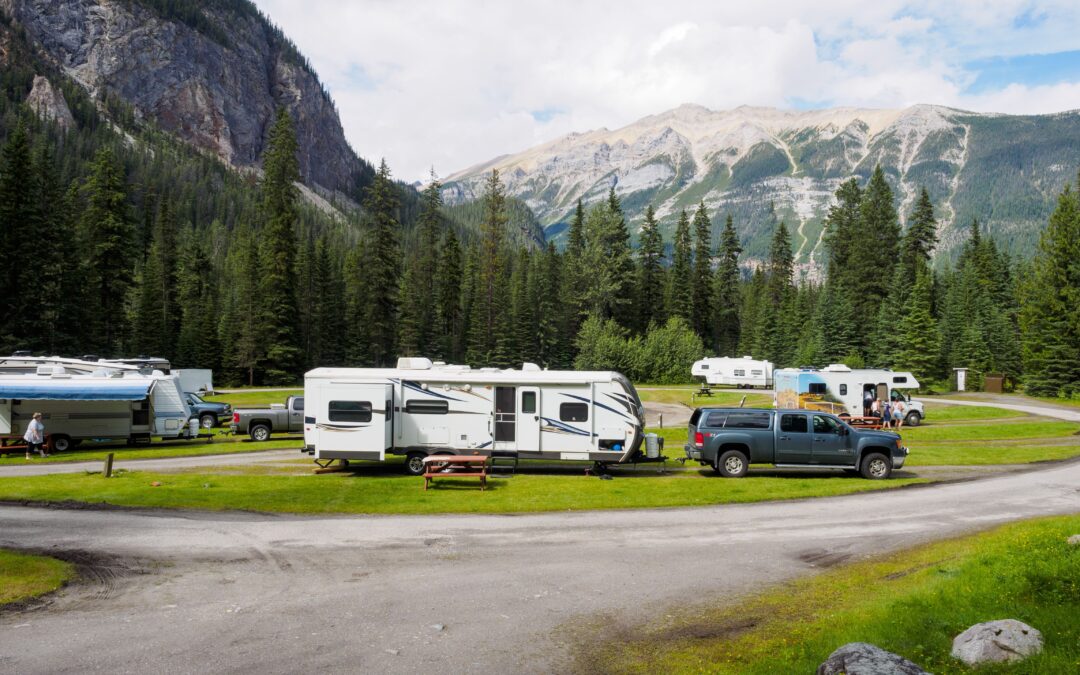
When you’re heading out for a campaign trip, be it in an RV or to camp in a tent, it’s important to understand that not all campsites are created equal. And picking the wrong campsite can massively impact your trip and even ruin it entirely.
However, it’s actually really easy to help you avoid this common issue. All you need to do is to make sure you’re paying attention when choosing your campsite, and you know exactly what to look for to make the right decision.
Here’s what to consider.
Whether The Site Can Accommodate Your Vehicle
This actually matters more than most people realize. You need to make sure the campsite you choose allows vehicles of the size you’ll be arriving in. Especially if you’re driving a larger RV. Look at campsite access roads, pitch sizes, and weight limits, as these can vary from site to site. What works for a small tent setup for a compact campervan won’t work for something larger that needs more room for maneuvering.
All campsites will have the details you need on their website or can tell you if you enquire, so you’re not turning up with a vehicle that they can’t accommodate.
Whether You Need Full Hookup Access
Full hookup access means you have water, electric, and sewer connections at your pitch. Not every camper needs all of this, but if you do, you need to make sure it’s something available to you and the pitch you book so you’re not disappointed when you arrive.
There are also partial hookups or dry camping options that work well for some setups. But knowing what you’re likely to need before you arrive means you can choose a site that offers what you need.
How Far It Sits From Your Route
A campsite that’s significantly out of the way might be worth it for the right destination. But this is a deliberate decision you need to make rather than discovering it halfway through the trip.
You shouldn’t just factor in the distance, but the type of roads involved, too. Rural access routes that look shorter on maps can actually take much longer than expected.
Don’t overlook proximity to your wider route too, as this affects how much flexibility you have if plans change. A campground that sits conveniently along your route gives you options. But one that requires a significant detour locks you in more than it might initially seem.
What Facilities Are On Site
Facilities vary enormously between campsites, and the difference between what’s advertised and what’s actually available on arrival can be significant. Look beyond what the headline amenities offer and really dig into the specifics. What is the shower like? The condition? Is there laundry access or a dump station if you need them, and can you access reliable wifi to work while you’re there?
If the site’s own website is kind of vague on specifics like this, then it’s likely the amenities aren’t there or aren’t up to the standard you’d need or expect. It’s best to book at options that detail these things clearly or can give you answers when you ask about them.