Handling cash may seem like a straightforward task, but in reality, it requires precision, consistency, and trust. Whether in retail stores, small businesses, or financial environments, managing physical currency is still a daily responsibility for many. As transaction volumes increase, manual counting becomes time-consuming and prone to error. This is where tools like a bill counter come into play.
Why Manual Cash Counting Falls Short
Counting cash by hand may work for small amounts, but as the volume grows, the process becomes less reliable. Human error is one of the biggest challenges. Even a minor miscount can lead to discrepancies that are difficult to trace later.
In busy environments, distractions and time pressure can make manual counting even more challenging. Employees may need to recount multiple times to ensure accuracy, which slows down workflows and increases frustration.
A bill counter helps eliminate much of this uncertainty. Automating the counting process, it reduces reliance on manual effort and ensures consistent results.
Speed and Efficiency in Daily Operations
Time is a valuable resource in any business. Spending long periods counting cash manually can take attention away from other important tasks.
A cash counter machine significantly speeds up the process. Instead of counting bills one by one, large stacks can be processed in seconds. This efficiency is especially important during peak hours or at the end of the day when closing procedures need to be completed quickly. (Use the limited-time code “MYSEO” at checkout to enjoy an extra 8% off MUNBYN money counters. Upgrade your cash handling for less today.)
Faster counting not only saves time but also helps maintain a smoother workflow. Employees can focus on customer service and other responsibilities instead of being tied up with repetitive tasks.
Improving Accuracy and Reducing Errors
Accuracy is critical when dealing with money. Even small discrepancies can create larger problems, such as incorrect records or financial losses.
A bill counter is designed to count with precision. It ensures that each bill is accounted for, reducing the chances of mistakes. Some machines also include features that detect irregularities, adding an extra layer of reliability.
Businesses that explore solutions through platforms like MUNBYN often do so because they want to minimize errors and maintain accurate financial records without constant double-checking.
Enhancing Security and Fraud Detection
Handling cash also involves security concerns. Counterfeit bills and fraudulent transactions can pose serious risks if not identified early.
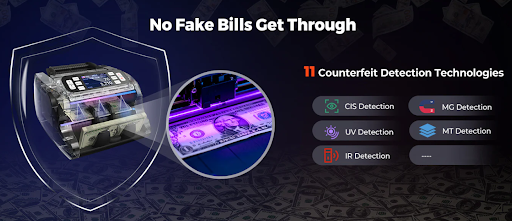
Many cash counter machine systems are equipped with detection features that help identify suspicious notes. These may include checks for size, thickness, or other characteristics that differ from genuine currency.
By identifying potential issues during the counting process, these machines help prevent losses and improve overall security. This is particularly important for businesses that handle large amounts of cash regularly.
Simplifying End-of-Day Reconciliation
At the end of each business day, reconciling cash is an essential task. This involves comparing the amount of money collected with recorded transactions.
Manual reconciliation can be tedious and stressful, especially if discrepancies arise. Employees may need to recount cash multiple times to find errors, which can delay closing procedures.
Using a bill counter simplifies this process. With accurate counts provided quickly, reconciliation becomes more straightforward. This reduces stress and helps ensure that records are correct before closing.
Supporting High-Volume Environments
Certain industries handle large amounts of cash daily. Retail stores, banks, and entertainment venues are just a few examples where cash transactions remain common.
In these settings, efficiency and accuracy are not optional; they are necessary. A cash counter machine allows businesses to handle high volumes without slowing down operations.
By processing large stacks of bills quickly, these machines help maintain a steady flow of transactions. This ensures that customers are served promptly and operations remain efficient.
Reducing Employee Workload
Repetitive tasks like manual cash counting can be tiring and time-consuming. Over time, this can affect employee productivity and morale.
Automating the process with a bill counter reduces the physical and mental effort required. Employees can complete their tasks more quickly and with less stress.
This shift allows staff to focus on more meaningful responsibilities, such as customer interaction or problem-solving, rather than spending excessive time on manual counting.
Improving Financial Transparency
Clear and accurate financial records are essential for any business. Errors in cash handling can lead to confusion and make it difficult to track income properly.
A cash counter machine helps maintain transparency by providing consistent and reliable counts. This ensures that financial data is accurate and easy to verify.
For businesses that need to maintain detailed records, this level of reliability is invaluable. It supports better decision-making and helps build trust in financial reporting.
Long-Term Value and Practical Benefits
Investing in tools that improve efficiency and accuracy often pays off over time. While manual counting may seem cost-effective initially, the potential for errors and lost time can add up.
A bill counter offers long-term value by reducing mistakes, saving time, and improving overall workflow. It also helps businesses maintain a professional and organized approach to cash handling.
Final Thoughts
Cash handling remains an important part of many businesses, and managing it effectively requires both accuracy and efficiency. Relying solely on manual counting can lead to errors, delays, and unnecessary stress.
A bill counter and a cash counter machine provide practical solutions to these challenges. They streamline the counting process, improve accuracy, and support better financial management.
In the end, it’s not just about counting money. It’s about creating systems that are reliable, efficient, and capable of supporting the demands of modern business operations.